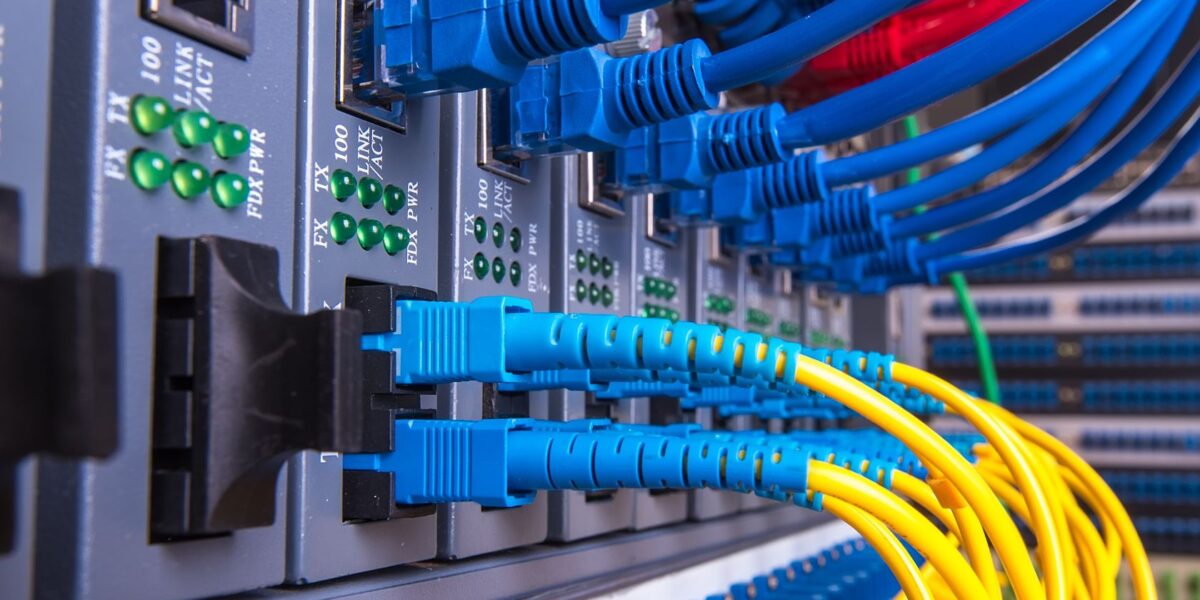

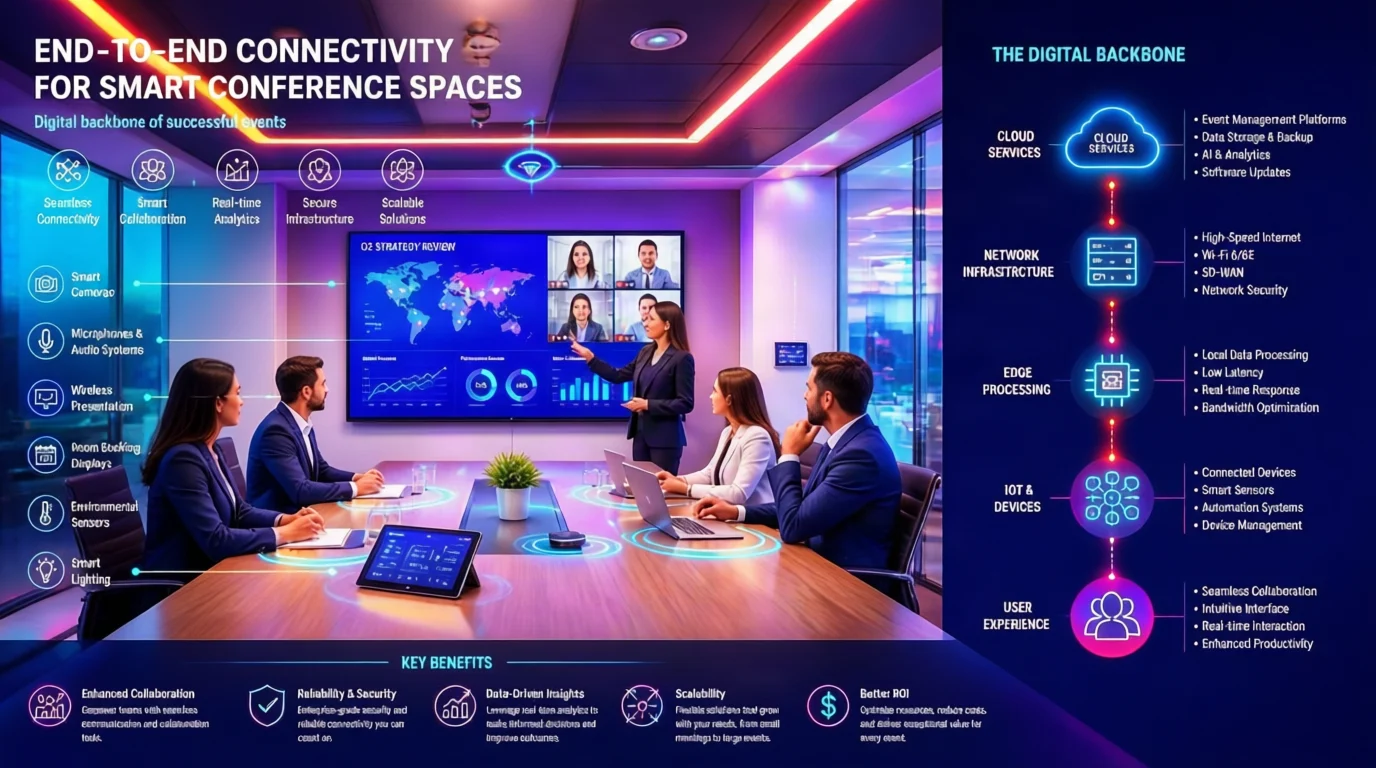

A successful event needs more than a great venue, an impressive programme and professional event management. It needs reliable technology infrastructure.
Kenya’s events and hospitality industry is increasingly embracing digital technology to improve attendee experiences, streamline event operations and extend engagement beyond physical venues.
From corporate conferences in Nairobi and international summits to exhibitions in Mombasa, church conventions, concerts, product launches and large-scale public gatherings, technology plays an increasingly important role in how events are planned and delivered.
Behind every successful digital event experience is an infrastructure environment designed to support multiple interconnected systems.
Live streaming, digital registration, cashless payments, CCTV surveillance, wireless connectivity, digital signage and media production all depend on properly planned ICT infrastructure.
When these systems compete for poorly designed network resources, the consequences can include connectivity interruptions, operational delays, compromised security and a disappointing attendee experience.
At Fibrecom Solutions Ltd, we believe that your event’s digital experience starts long before the first guest arrives. It starts with infrastructure planning.
The Growing Importance of ICT Infrastructure in Kenya’s Events Industry
Events are no longer limited to physical attendance.
Organisers increasingly need to accommodate in-person participants, remote speakers, virtual attendees, exhibitors, media teams, sponsors and technical production crews.
This creates a more demanding technology environment.
For example, a corporate conference may simultaneously require:
- High-capacity Wi-Fi for delegates and organisers.
- Dedicated connectivity for live streaming and broadcast operations.
- Network access for registration and digital ticketing.
- Connectivity for POS and cashless payment systems.
- CCTV and access control infrastructure.
- Digital signage and LED display connectivity.
- Networked equipment in technical control rooms.
- Secure connectivity for event administration.
These systems have different operational requirements. They should not simply be connected to one network without considering capacity, security, coverage and traffic management.
Proper ICT infrastructure design helps event organisers establish an environment where the different technology systems can operate more effectively.
Fibre Optic Infrastructure: The Backbone of Modern Event Venues
Fibre optic infrastructure provides high-capacity connectivity between network distribution points, equipment rooms, conference facilities and other operational areas.
For large conference centres, hotels, exhibition grounds, auditoriums and multipurpose venues, fibre can support the backbone connectivity required to distribute network services across different sections of a facility.
Consider a convention centre with:
- A main conference auditorium.
- Multiple breakout rooms.
- Exhibition halls.
- Administrative offices.
- Media production rooms.
- Security monitoring facilities.
- Outdoor event spaces.
A properly planned fibre backbone can connect these areas to the wider network infrastructure.
Fibrecom supports fibre optic infrastructure requirements, including:
- Fibre infrastructure design.
- Fibre optic cable supply and deployment.
- Fibre termination and distribution.
- Optical distribution frames (ODFs).
- Fibre patching and network connectivity.
- Last-mile fibre infrastructure.
- Testing and technical documentation.
The objective is to establish a structured connectivity foundation that supports current event operations and future technology expansion.
Structured Cabling and LAN: Connecting Every Operational Area
Wireless connectivity is important, but the underlying wired network remains essential.
Conference venues, hotels and event facilities require structured cabling to connect network switches, wireless access points, CCTV cameras, workstations, registration equipment and other network-enabled devices.
A complete structured cabling installation involves more than running Cat6 cables.
It requires proper consideration of:
- Network outlet locations.
- Cable containment and pathways.
- Patch panels and network cabinets.
- Rack organisation.
- Cable labelling.
- Separation from electrical services where required.
- Testing and certification.
- Infrastructure documentation.
A properly designed LAN infrastructure helps simplify troubleshooting, equipment replacement and future network expansion.
Fibrecom provides structured LAN cabling and network infrastructure deployment for event venues and hospitality facilities.
Network Switching and High-Density Wi-Fi for Events
One of the most common challenges at conferences and exhibitions is providing dependable wireless connectivity to large numbers of users.
Imagine a conference with hundreds of delegates, exhibitors, organisers, media personnel and technical teams accessing wireless services simultaneously.
A few ordinary wireless routers may not be sufficient.
Successful deployment requires consideration of:
- Expected user density.
- Wireless coverage requirements.
- Access point positioning.
- Network switching capacity.
- Available bandwidth and uplink capacity.
- Interference and channel planning.
- Network segmentation.
- Authentication and access controls.
Different users may also require separate network environments.
For instance:
- Delegates: Internet access and general event information.
- Organisers: Registration and event management applications.
- Exhibitors: Business applications and demonstrations.
- Media teams: Production and content transfer.
- Security teams: Approved surveillance and operational systems.
Network segmentation, appropriate switching configurations and properly designed wireless coverage help support these different requirements.
Fibrecom provides network switching and Wi-Fi infrastructure solutions designed around the requirements of each facility or event.
Live Streaming, Broadcast and Media Production Infrastructure
Live streaming has changed how conferences, church services, concerts, corporate launches and public forums reach their audiences.
An event taking place in Nairobi can reach participants in other counties, across Africa and internationally through digital platforms.
However, successful streaming depends on more than cameras and streaming software.
The underlying network must be planned to accommodate the production workflow.
Key considerations include:
- Connectivity between production equipment and streaming workstations.
- Adequate network capacity for video workflows.
- Appropriate wired connections for critical production devices.
- Traffic prioritisation where supported and required.
- Reliable connectivity to streaming platforms.
- Network segmentation between production and general users.
- Suitable technical equipment rooms and cabinets.
Fibrecom supports the ICT infrastructure behind broadcast and media production environments through fibre connectivity, structured cabling, network switching, equipment supply and deployment.
Our role is to provide the network foundation that supports the wider production ecosystem.
CCTV and Access Control: Protecting Event Operations
Security is a major consideration for event organisers and venue operators.
Large gatherings involve attendees, exhibitors, VIP guests, staff, contractors, vendors and valuable technical equipment.
CCTV and access control systems help support venue security and operational monitoring.
These systems require appropriate supporting infrastructure, including:
- Network connectivity for IP CCTV cameras.
- Structured cabling and fibre links between surveillance locations.
- Network switches and distribution points.
- Equipment cabinets and recording infrastructure.
- Access control connectivity.
- Network segmentation and security considerations.
For large venues, proper infrastructure planning helps ensure that security systems are integrated into the wider ICT environment without unnecessarily exposing them to other event networks.
Fibrecom supports CCTV and access control infrastructure networking as part of its broader ICT infrastructure solutions.
Digital Ticketing, Registration and Cashless Payments
Long registration queues and payment delays can affect the first impression guests have of an event.
Digital ticketing, QR-code verification, online registration and cashless payment solutions are increasingly important to modern event operations.
These applications depend on reliable connectivity between registration devices, network infrastructure and the relevant digital platforms.
For event organisers, infrastructure planning should consider:
- Registration desk connectivity.
- Network access for ticket verification devices.
- POS terminal connectivity.
- Payment system network requirements.
- Network availability for event administration.
- Secure separation of payment and guest networks where required.
A well-organised network environment can help reduce avoidable connectivity challenges during registration and payment operations.
Fibrecom provides the supporting ICT infrastructure through structured cabling, switching, Wi-Fi and equipment deployment.
Edge Infrastructure and Local Network Processing
Some large events and venues may benefit from edge infrastructure.
Edge computing brings selected processing, storage and application resources closer to the devices and systems using them.
This can be useful in environments where local communication, reduced dependence on distant resources or continued access to selected local applications is important.
Potential event applications include:
- Local media content distribution.
- On-site event applications.
- Local video processing workflows.
- Selected operational monitoring systems.
- Local data storage and processing.
Edge infrastructure is not a replacement for a properly designed network or internet connection. Its suitability depends on the event’s applications, technical requirements and operating environment.
Fibrecom can support the underlying connectivity, switching, equipment-room and ICT deployment requirements for these environments.
Permanent and Temporary Event Infrastructure: Plan for Both
Not every event takes place in a permanent conference facility.
Some organisers operate in hotels, outdoor grounds, stadiums, temporary exhibition structures and multipurpose venues.
These environments require different infrastructure considerations.
Permanent event venues
Conference centres, hotels, auditoriums and exhibition facilities should consider long-term infrastructure investments, including:
- Fibre backbone pathways.
- Structured cabling.
- Permanent network cabinets.
- Network equipment rooms.
- Wireless access point locations.
- CCTV and access control infrastructure.
- Capacity for future expansion.
Temporary events
Outdoor conferences, exhibitions, concerts and public gatherings may require:
- Temporary fibre connectivity.
- Protected cable routes.
- Temporary network distribution cabinets.
- Network switches and wireless access points.
- Secure connectivity for event operations.
- Equipment positioning and environmental protection.
- Pre-event testing and post-event removal or reinstatement.
The infrastructure solution should be designed around the venue, event duration, equipment requirements and expected number of connected users.
Why Testing, Documentation and Technical Support Matter
Installing network equipment is not the same as delivering a properly verified infrastructure solution.
Before an event begins, organisers and venue operators should understand what has been installed and whether the relevant infrastructure has been tested.
Important activities include:
- Fibre optic testing and verification.
- Appropriate OTDR testing where required.
- Fibre loss measurement.
- Structured cabling testing and certification.
- Network connectivity verification.
- Equipment configuration checks.
- Cable and port labelling.
- Network diagrams and infrastructure records.
- Technical handover documentation.
Proper documentation helps technical teams identify network connections, trace infrastructure routes, troubleshoot faults and plan future modifications.
For venues hosting multiple events, this information is particularly valuable because different production teams and technical contractors may work with the same infrastructure over time.
At Fibrecom, we believe that infrastructure delivery must include testing, documentation and appropriate technical handover.
How Fibrecom Solutions Supports Events and Hospitality Infrastructure
Fibrecom Solutions Ltd is an ICT infrastructure design, equipment supply and implementation partner serving organisations that require properly planned and deployed technology infrastructure.
We support event organisers, hotels, conference centres, exhibition facilities, churches, production companies, property developers and other institutional clients.
Our service scope covers:
1. ICT Infrastructure Design
Technical assessment, infrastructure planning and solution design based on operational requirements.
2. Fibre Optic Infrastructure
Fibre backbone, fibre distribution, termination and last-mile infrastructure.
3. Structured LAN Cabling
Structured network cabling, outlets, patch panels, cable management and network distribution.
4. Network Switching and Wi-Fi Solutions
Network switches, wireless access points and supporting network deployment.
5. CCTV and Access Control Infrastructure
Network infrastructure supporting surveillance and access management systems.
6. ICT Equipment Supply and Deployment
Supply, installation and deployment of appropriate ICT equipment and supporting infrastructure.
7. Testing, Documentation and Technical Support
Infrastructure verification, testing records, labelling, documentation, handover and technical support.
Our delivery approach follows:
ASSESS → DESIGN → SUPPLY → DEPLOY → TEST → DOCUMENT → SUPPORT
This approach helps ensure that infrastructure requirements are considered from initial planning through implementation and handover.
Planning an Event? Start with an ICT Infrastructure Assessment.
Whether you are preparing for an international conference, a corporate event, a church convention, an exhibition, a concert or a new hospitality facility, your ICT infrastructure should be included in the planning process.
Do not wait until event setup to discover that there are insufficient network outlets, inadequate Wi-Fi coverage, missing fibre pathways or limited equipment space.
Early technical engagement can help identify infrastructure gaps before they become expensive operational challenges.
Fibrecom Solutions invites:
- Event organisers and event management companies.
- Conference and exhibition centre operators.
- Hotels and hospitality facility managers.
- Churches and faith-based organisations.
- Concert promoters and festival organisers.
- AV and broadcast production companies.
- Corporate communications and IT departments.
- Property developers, architects and MEP consultants.
- Government and institutional event planners.
Let us assess your requirements and identify the ICT infrastructure needed to support your event or venue.
YOUR EVENT IS WHAT PEOPLE SEE. THE INFRASTRUCTURE IS WHAT MAKES IT WORK.
Book a Pre-Event ICT Infrastructure Technical Assessment
Contact Fibrecom Solutions Ltd:
📧 info@fibrecom.co.ke
🌐 https://fibrecom.co.ke
📞 0743 177 457
Fibrecom Solutions Ltd
Reliable Technology Infrastructure, Delivered Right.